Uncover Your Home's Hidden Energy Drains This Season
As temperatures drop across Australia, many households discover that their homes aren't as winter-ready as they thought. From draughty rentals and aging heaters to sky-high electricity rates and long daily commutes, the colder months can expose inefficiencies that drain both comfort and your budget. But don't despair—there are practical, cost-effective measures you can take to turn things around. This guide walks you through key changes that can transform your winter energy experience, helping you stay warm while keeping bills in check.
1. Seal the Leaks: Weatherproofing Your Home
A significant portion of heat loss in Australian homes occurs through gaps around windows, doors, and roofs. For renters and homeowners alike, sealing these leaks is a low-cost, high-impact first step. Use draught excluders on doors, apply weatherstripping to windows, and consider insulating curtains or blinds. Even simple measures like blocking chimney flues can reduce heat escape by up to 20%. For a professional assessment, book an energy audit to pinpoint weak spots.
2. Upgrade Your Heating: Efficient Warmth Without the Waste
Inefficient heaters are a major culprit in high winter energy bills. Older gas or electric heaters may consume far more energy than necessary. Consider switching to a modern reverse-cycle air conditioner, which can be up to 300% more efficient than traditional electric heaters. Alternatively, a wood-fired heater or a pellet stove can be a sustainable choice if you have access to affordable fuel. Always check the energy rating label before purchase, and compare your electricity tariff to see if transitioning to a different rate plan makes sense.
3. Tame Your Tariffs: Interrogate Your Energy Bill
Winter often means higher electricity usage, but that doesn't have to translate into exorbitant bills. Many Australian households are on default tariffs that are not competitive. Take the time to compare energy retailers and plans using government comparison websites. Look for plans with lower peak rates or time-of-use tariffs that reward off-peak usage. If you have electric heating, shifting some use to off-peak hours (e.g., using a timer on your heater) can cut costs substantially. Don't hesitate to ask your current provider for a better deal—loyalty rarely pays.
4. Rethink Your Commute: Cutting Transport Energy Costs
Winter mornings often mean longer car journeys to avoid the cold, but a long commute burns both fuel and cash. Consider carpooling, using public transport, or teleworking where possible. If you already own an electric vehicle (EV), take advantage of any off-peak charging options. For those with solar panels, charging your EV during the day can slash transport costs. Even a hybrid approach—driving partway then taking a train—can reduce your fuel consumption. Installing a small solar system is another way to offset both household and transport energy needs.
5. Install a Small Power Station: Solar for Winter Savings
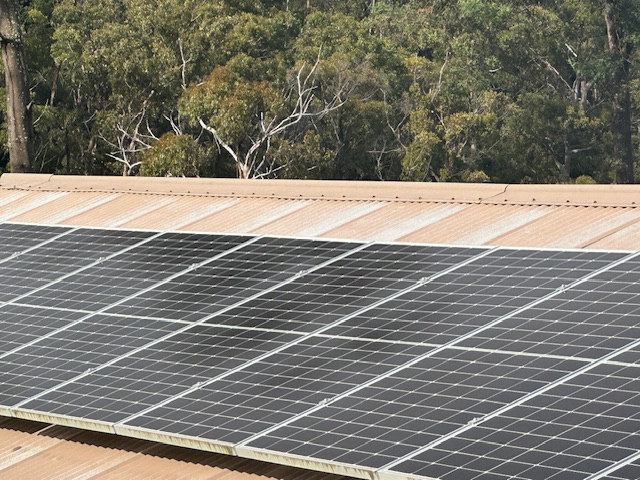
The idea that solar panels don't work in winter is a myth. While days are shorter, modern panels still produce significant energy, and excess can be fed into the grid for credits. A small rooftop solar system (3–5 kW) can reduce your electricity bill by 30–50% even in winter. With the cost of panels falling and government rebates available, the payback period is often under five years. For an even bigger impact, pair your panels with a battery storage system to store daytime energy for evening heating. Many states also offer interest-free loans for such installations. Book a consultation to see if your roof is suitable. Starting with good insulation makes solar even more effective.
6. Get a Professional Energy Audit
If you're unsure where to start, an energy audit can provide a personalized roadmap. A qualified auditor will inspect your home's insulation, windows, appliances, and heating system, then recommend upgrades. Some audits also include a review of your electricity bill to identify tariff savings. This service is often subsidized by state governments or energy retailers. Once you have the audit report, you can prioritize changes—like sealing leaks, upgrading a heater, or adding solar—that offer the fastest return on investment.
Conclusion: Embrace Winter with Confidence
Winter doesn't have to be a season of high bills and discomfort. By taking a proactive approach—weatherproofing, upgrading inefficient appliances, analyzing your energy bills, and considering renewable options like solar panels—you can turn your home into a winter-ready sanctuary. Start with the changes that suit your budget and living situation, and remember that even small steps add up to substantial savings over time. For tailored advice, consult a local energy expert or visit your state's government energy website.