Introduction
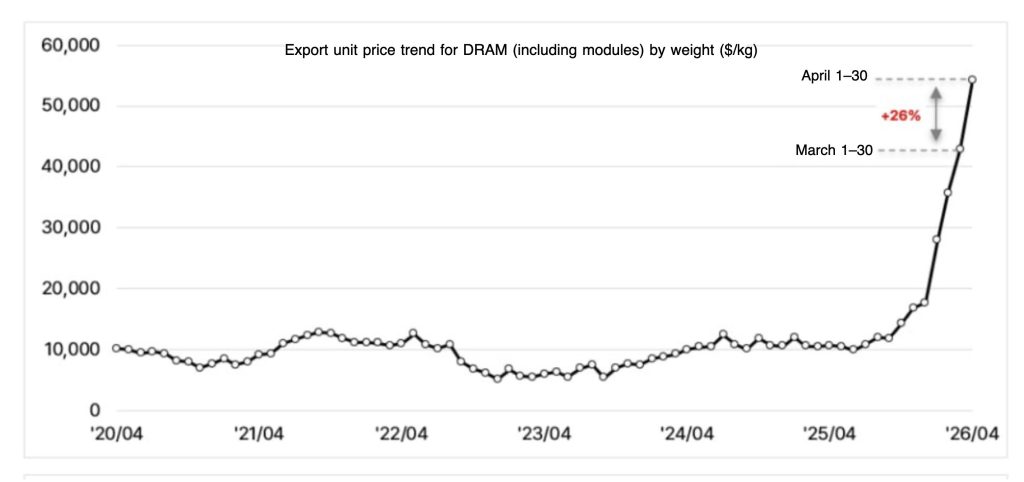
The memory market has been roiled by an unprecedented shortage of RAM modules over the past year, driving prices to levels not seen in a decade. While headlines about quarterly price increases may sound abstract, a striking data visualization recently published by industry analysts brings the true scale of the crisis into sharp focus. The chart not only shows the relentless upward trajectory of DRAM costs but also highlights how the current supply deficit compares with historical shortages—earning the situation the grim moniker of a 'mageddon. This article breaks down the factors behind the shortage, its ripple effects across consumer electronics and enterprise computing, and what the future holds for memory pricing.

Understanding the Root Causes of the RAM Shortage
Supply Chain Bottlenecks
The pandemic exposed critical vulnerabilities in the global semiconductor supply chain. RAM chips require highly specialized fabrication facilities, and when COVID-19 disrupted operations at key foundries in Asia, production dropped sharply. Even as factories resumed operations, logistics delays and a shortage of raw materials such as silicon wafers and specialized chemicals continued to constrain output.
Surge in Demand from Multiple Fronts
Demand for RAM has exploded across nearly every sector. The shift to remote work and online learning spurred a boom in PC and laptop sales, with manufacturers stockpiling memory chips to meet orders. Simultaneously, cloud service providers expanded data center capacity to support video conferencing, streaming, and e-commerce, further straining supply. Mobile devices also contributed: new 5G smartphones require more RAM to handle advanced features, while gaming consoles like the PlayStation 5 and Xbox Series X demand high-speed GDDR6 memory. The combined effect is a classic demand-pull shortage where supply cannot keep pace.
Strategic Stockpiling and Speculation
Large technology companies, wary of future disruptions, have engaged in aggressive inventory building. This behavior, known as safety stock or panic buying, artificially inflates demand and exacerbates scarcity. Meanwhile, commodity traders and memory module resellers have speculated on rising prices, further tightening the market.
The Impact on Consumer Electronics Prices
The most immediate consequence for consumers is the ballooning cost of building or upgrading a PC. DDR4 memory kits that cost $80 a year ago now sell for $150 or more, and DDR5 modules—still new to the market—command a significant premium. Laptop and desktop manufacturers have passed these higher costs along to buyers, with entry-level machines often costing $50–100 more than they did in early 2020.
Price Variations by Segment
Consumer desktops have seen the largest percentage increases, while laptops—especially ultraportables with soldered RAM—have also risen. Gamers and content creators who need high-capacity or high-frequency kits have been hit hardest. Even smartphones are not immune: flagship models now routinely include 8 GB or 12 GB of RAM, and prices have crept upward accordingly.
Retail Recommendations
Analysts advise consumers to buy RAM now if they need an immediate upgrade, as prices are expected to remain elevated through 2025. For those considering a new system, waiting may not yield significant savings; instead, look for bundle deals or consider purchasing a system with less memory and upgrading aftermarket—if the motherboard supports it.
How the Shortage Affects Businesses and Data Centers
Enterprise customers are experiencing even more severe disruptions. Data center operators, hyperscalers like Amazon Web Services and Microsoft Azure, as well as on-premises businesses, rely on large quantities of server-grade RAM (ECC memory). Prices for these modules have nearly doubled in some cases, pushing up the total cost of server deployments.
Capacity Constraints and Allocation
Memory manufacturers have had to ration allocations, giving priority to long-term partners and high-volume buyers. Smaller cloud providers and mid-size companies often face long lead times—sometimes 12–16 weeks—for orders. This forces IT departments to over-provision servers with less RAM than desired, impacting workload performance for memory-intensive applications such as databases, virtualization, and AI training.
Alternatives and Mitigation Strategies
Some enterprises are turning to memory compression technologies or software-defined memory tiering to stretch existing capacity. Others are delaying non-critical upgrades or leasing hardware from third-party suppliers. In the long term, companies may accelerate adoption of compute express link (CXL) memory interconnects to pool memory resources more efficiently.
Future Outlook: When Will Supply Stabilize?
Industry analysts expect the RAM shortage to persist into 2026, with a gradual easing thereafter. Key factors include the ramp-up of new fabrication plants—Samsung, SK Hynix, and Micron have all announced billions in capital expenditure to expand capacity. However, these projects take 18–24 months to come online. Geopolitical tensions and potential export controls could further delay recovery.
Technology Shifts: DDR5 and HBM
The transition from DDR4 to DDR5 memory is creating additional friction, as manufacturers must balance investments between legacy and next-generation technologies. High-bandwidth memory (HBM) used in GPUs and AI accelerators is also in short supply, adding another layer of complexity for the semiconductor industry.
Pricing Forecast
Spot prices for DRAM have already begun to stabilize in some segments, but contract prices for large buyers are still rising. The chart that sparked this analysis shows a steep price curve that, while still increasing, may be approaching a plateau. Once demand growth slows and new capacity arrives, prices should begin to decline—but likely not to the lows seen in 2019–2020.
In conclusion, the RAM shortage is a multifaceted crisis born from pandemic-era disruptions, surging demand, and strategic behaviors. Whether you are a consumer building a new rig or a CIO planning a data center refresh, understanding these dynamics can help you make informed purchasing decisions and prepare for a market that remains tight for the foreseeable future.