Program Update: A New Timeline for Artemis III
NASA's ambitious Artemis III mission, originally envisioned as the return of humans to the lunar surface, has undergone a significant shift in scope and schedule. During a recent congressional hearing, NASA Administrator Jared Isaacman revealed that the agency's two primary lunar lander contractors—SpaceX and Blue Origin—now anticipate having their spacecraft ready for a key Earth orbit rehearsal by late 2027. This timeline, while later than previous NASA projections, marks a pragmatic step forward in the agency's long-term lunar exploration strategy.
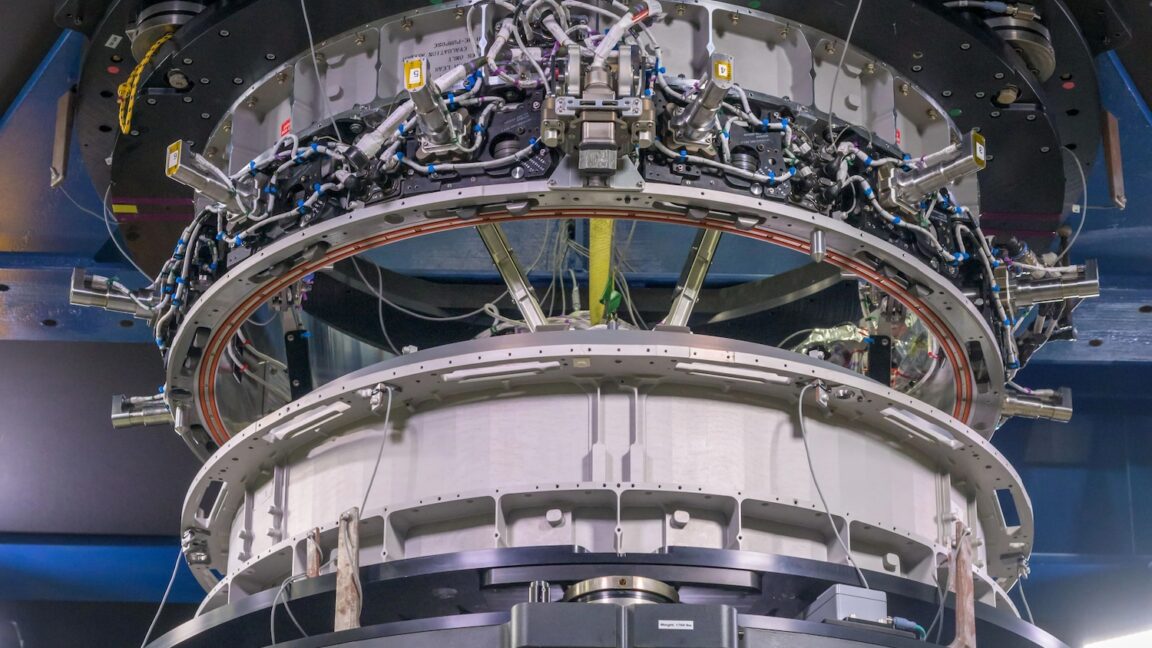
Revised Mission Parameters: Earth Orbit Focus
Unlike the original plan, Artemis III will not travel to the Moon. Instead, NASA will launch an Orion capsule carrying a crew of astronauts to low-Earth orbit, where they will rendezvous and potentially dock with one or both of the landers developed by SpaceX and Blue Origin. This orbital check-out is designed to validate critical systems and procedures before committing to a full lunar landing mission.
Flight Plan Uncertainties
The specifics of the Artemis III flight plan remain under active review, with two major variables still unresolved: the altitude of the orbit and the configuration of the Space Launch System (SLS) rocket. Key questions include whether the mission will remain in a relatively low orbit—just a few hundred miles above Earth—or ascend to a higher, more Moon-like altitude.
- Low-Earth orbit scenario: This option would allow NASA to avoid using one of the existing, already-built SLS upper stages currently in storage. Skipping this stage would reserve the unit for a subsequent Artemis mission that aims for an actual lunar landing.
- Higher orbit scenario: A more ambitious altitude would require using the SLS upper stage, but it would provide an environment closer to that of the Moon, enabling more representative tests of the landers and crew systems.
This decision carries significant implications for the remaining SLS hardware inventory. NASA has a limited number of the current upper stages—known as the Interim Cryogenic Propulsion Stage (ICPS)—and the agency is keen to conserve them for the most critical missions.
Contractor Readiness and Vehicle Status
Both SpaceX and Blue Origin are advancing their respective lunar lander designs under NASA's Human Landing System (HLS) program. While specific technical milestones remain proprietary, the contractors have indicated to NASA that their vehicles could be ready for a crewed Earth orbit demonstration by the late 2027 timeframe. This schedule reflects the complexity of developing and testing large, human-rated spacecraft that must eventually operate in deep space.
SpaceX is developing a variant of its Starship vehicle, which requires multiple orbital refueling missions to reach the Moon. Blue Origin's Blue Moon Mark 2 lander, meanwhile, is designed to be more compact and relies on a different propulsion approach. The Earth orbit rehearsal will be a critical proving ground for both vehicles, allowing NASA to assess their performance, safety, and integration with the Orion capsule.
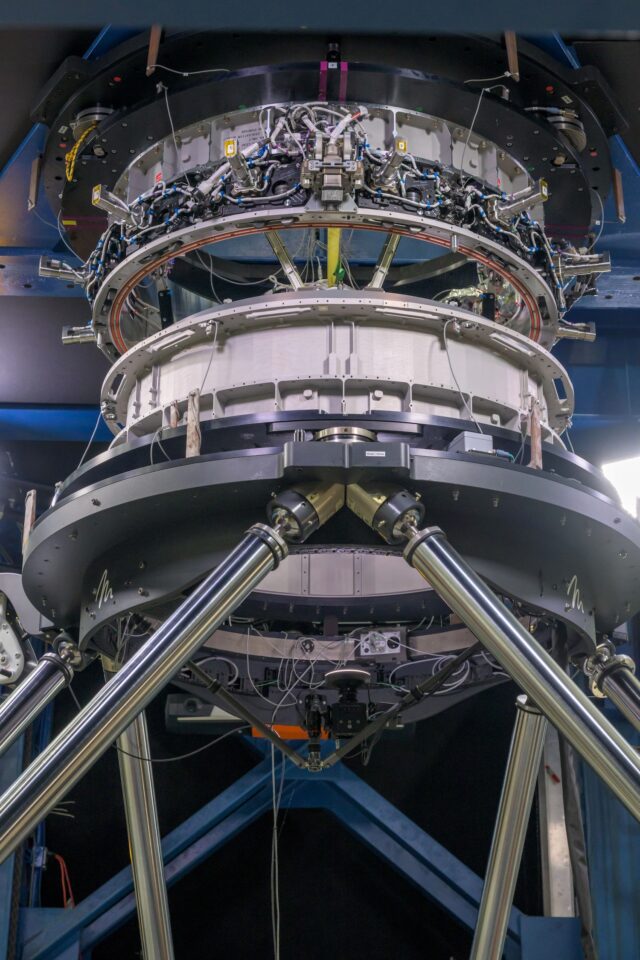
SLS Upper Stage Evolution: The Centaur V Arrives
To support future Artemis missions beyond the initial block of flights, NASA is procuring a new commercial upper stage from United Launch Alliance (ULA). This new stage, called the Centaur V, will replace the ICPS on the SLS rocket once the existing ICPS units have been expended. The Centaur V offers improved performance and flexibility, which could shorten travel times to the Moon and enable more complex mission profiles.
The decision to use or save an ICPS for Artemis III directly affects the timeline for transitioning to Centaur V. If the ICPS is conserved, it will be available for a later lunar landing attempt; if used, NASA will accelerate the switch to the new upper stage. This trade-off is a key factor in the ongoing flight plan review.
Broader Implications for the Artemis Program
The shift to an Earth orbit rehearsal for Artemis III represents a strategic pivot for NASA. By delaying the lunar landing and instead focusing on a comprehensive orbital test, the agency aims to reduce risk for subsequent missions that will attempt a touchdown on the Moon. This approach aligns with the philosophy of incremental testing that has characterized many successful space programs, from Apollo to the International Space Station.
However, the new timeline—late 2027—means that the first crewed lunar landing under Artemis will likely slip further into the late 2020s or early 2030s. The Artemis II mission, a lunar flyby with crew, remains on track for a 2024 or 2025 launch, but the path to the surface now includes an additional orbital stop.
Related Topics
- Program Update: A New Timeline for Artemis III
- Revised Mission Parameters: Earth Orbit Focus
- Flight Plan Uncertainties
- Contractor Readiness and Vehicle Status
- SLS Upper Stage Evolution: The Centaur V Arrives
- Broader Implications for the Artemis Program
As NASA, SpaceX, and Blue Origin continue to refine their plans, the space community will watch closely for updates on the Artemis III flight profile and its impact on the broader goal of returning astronauts to the lunar surface.